
Top Signage Printing Singapore Businesses Must Know


Printing is the mechanism of reproducing text and images on paper or other media with presses, digital or 3D systems. It covers techniques such as offset, inkjet, laser, and 3D extrusion printing, each having distinct applications and price points.
In everyday life, it backs books, packaging, labels, photos, and prototypes. Decisions depend on run size, color requirements, finish, and velocity.
To be a clever chooser, discover how processes differ, prices divide, and standards function.
The foundation of great signage.

Great signs begin with defined intent and intelligent typography. Consider what the sign has to accomplish, where it’s going to ‘live’ and who needs to see it. Then align print method, material and design to those needs so it works day and night, in sun, wind or a packed hall.
A sign’s purpose informs every decision. If it has to point, use simple language and a straightforward voice. If it has to sell a product, it should have one promise or one feature prominently advertised. Limit text to 7 words or less so they can read it at a glance. Fresh bread daily,” “Exit left,” or “New model—test drive” are easy lines that hang on.
The message should remain the hero, and printing should serve that message with clean lines and vivid color.
Location is what makes or breaks visibility. Hang signs at standing eye level or if sitting. Angle them at foot or car flow, never parallel. In a store, use end caps, checkout zones, and entry paths. On streets, place them above parked cars and outside tree shadows.
View distance and scale type size accordingly. As a general guideline, design at least 25 mm of letter height per 10 m of viewing distance so it reads in a blink.
Design must be clean and quiet. High contrast color pairs, such as black on white, dark blue on light gray, and yellow on black, enhance legibility in glare and low light. Limit yourself to a single font family. Choose a clean sans-serif like Helvetica or Arial for speedy scanning and fewer strokes per letter.
Avoid thin strokes, tight spacing, or italics. Leave generous margins so the copy can breathe. If you add an icon, use one that is simple and global: a cart, a phone, a map pin.
Print options depend on location and deadlines. For exterior, go with UV-stable inks, sealed laminates and rugged substrates such as aluminum composite, stainless or thick acrylic. For indoor, PVC-free boards, recycled fiber panels, or fabric work well.
Night visibility requires built-in lighting or reflective specialty technology. Backlit films in lightboxes provide an even glow, and reflective vinyl aids wayfinding on roads and campuses. Check ingress protection for lit signs if rain or dust is prevalent.
Quality build matters. Rust-proof hardware, clean edge seals, and proper mounts extend life and keep costs low over years.
Physical signs add reach, permanence and value. They operate without batteries, apps or logins and occupy their position day after day.
Common signage printing pitfalls
Signage fails for simple reasons: files set wrong, colors off, paper or vinyl not fit for weather, or layouts stuffed with too much text. Nothing like some good, clear planning, the right specs, and a sober edit to save you time and money!
1. Resolution issues
Blurry signs nearly always come from low-res art. For print, set the doc to 300 PPI before you design, not after. Don’t put anything on your signs except 300 PPI images and logos at final size.
Upscaling a small web image, usually 72 to 96 PPI, doesn’t add detail; it simply makes pixels bigger. Vector files for logos and icons sidestep this trap since they scale crisply. If you must use a photo, check its native size: a 3000 by 2000 pixel image prints clean at about 254 by 169 mm.
Stand back at the distance your reader will stand. Big-format seen from 5 to 10 m can excuse small imperfections, but not ragged typography. Complex layouts only compound the issue. More pictures, more little graphics, and more textures each have to be the right resolution, and it adds danger.
Make the story easy, with a big visual and a few words.
2. Colour mismatch
Screens shine in RGB, printers deposit CMYK ink. Colors shift. Switch to CMYK early and soft-proof with a printer ICC profile. If brand color is important, print in Pantone spot inks or supply Pantone targets for conversion.
Ask for a proof, always, digital for quick checks and hard for critical colors like skin or ‘that red’. Avoid bright neons and deep blues that screens fake and CMYK cannot reach. Check proofs under neutral light. Bad lighting can fool your eye and make a completed sign illegible at night.
3. Wrong file format
Different file types have different strengths. For logos and type, send vector art (PDF/X-1a, PDF/X-4, or AI) which stays sharp at any size. Use TIFF or high-quality JPEG for photos, flattened, 300 PPI, and no compression artifacts.
No PPT, DOCX, or web-scraped low-res PNG. Embed fonts or outline them because absent fonts reflow layouts. Keep layers only if your printer requests them; otherwise, flatten to lock appearance.
4. Ignoring bleed
Printers crop stack, and stacks move. Include 3 to 5 mm bleed on all sides, and a safety line the same distance in. Keep type and key logos inside that safety.
Don’t forget to include trim marks in the export and verify final size. Bleed or safety skipped equals white slivers, cropped URLs, or clipped arrows that ruin wayfinding.
5. Poor material choice
Match substrate to place. Sun, heat, rain, and humidity destroy cheap vinyl, curl foam board, and fade unlaminated inks. For outdoor heat and wet, choose UV-stable inks, laminated vinyl, or aluminum composite panels.
For glass, use window film rated for direct sun. Indoors with bright LEDs, put matte laminate to cut glare. Design matters: too much text, tiny type, and clutter bury the message, while stale hours or old promos hurt trust.
Plan lighting, select readable type in an appropriate size, and edit ruthlessly.
Choosing your printing partner

Clear needs come first. Identify the formats, volumes, run frequency, colors and finishes you anticipate over the next 6 to 12 months. Pay attention to specs such as paper type (170 g/m² matte), binding (saddle stitch, perfect bind) and printing methods (digital for small runs, offset for big ones, variable data for mailers). Track who signs off on proofs, who ships and what markets require inventory.
This straightforward checklist prevents fuzzy quotes and overlooked steps.
Industry fit reduces risk. A partner accustomed to food labels understands migration-safe inks and batch trace codes. One immersed in fashion lookbooks knows color fidelity on uncoated stock. B2B tech brochures, museum catalogs, and event signage all have quirks.
Request two to three case samples similar to your job, not a generic reel.
Quality assurance is a must. Inquire about how they control color, such as ICC profiles and device calibration, what their proof path consists of, including soft proof, hard proof, and press check, and how version control is managed. A quality shop catches a rogue font or swapped image before press.
Check sample packs for banding, moiré, and clean trim. Small imperfections scale quickly at 10,000 copies.
Deadlines determine trust. Request a written schedule: prepress window, proof sign-off cutoffs, press dates, finishing, and ship out. For a 48-page catalog, a good schedule could be 2 days for preflight, 1 day for color proof, 2 days for press, 1 day for bind, and transit.
Request plan B if a plate drops or a courier holds up customs.
Flex and scale are more important than price alone. Can they leap from 500 to 5,000 next month? Do they blend digital and offset to optimize speed and price? If you have seasonal spikes, see if they maintain buffer stock or provide print-on-demand for gentle, constant dribbles.
A nimble shop shields you from expensive overprints.
Breadth under one roof saves time. Search for prepress, print, finish, kitting, and global shipping, all in one workflow. Think foil and emboss for premium covers, PUR binding for thick books, white ink on dark substrates, and large format for events.
One vendor handling pallets, labels, and customs forms reduces handoffs and mistakes.
Sustainability now informs brand trust. Inquire about recycled or FSC-certified papers, water-based or vegetable inks, alcohol-free presses and energy consumption. Seek proof: third-party audits, waste capture rates, and how they handle returns.
A carbon-measuring printer per job helps you set goals.
Do the basics: compare three quotes on scope, visit the floor if you can, and start with a pilot run before the big launch.
The future of signage printing

It’s all signage—heading towards cleaner inputs, smarter outputs, and finishes that feel bespoke to location and use. The shifts are incremental, pragmatic, and motivated by cost, waste, and experience.
Sustainable materials
Recycled PVC-free boards, fiber-based panels, and bio-based films are gaining ground as they reduce waste and simplify end-of-life sorting. PETG, polypropylene, and paperboard with wet-strength coatings hold up to outdoor use while steering clear of chlorine-heavy plastics.
For pop-up events, compostable PLA films and water-based adhesives keep disposal easy alongside municipal or industrial compost streams. Eco inks count as much as substrates. Latex and UV-LED inks run at lower cure temperatures, conserving energy and maintaining color speed.
They emit fewer solvents, a boon for indoor air and mom and pop print shops. A lot of buyers want third-party marks, then, FSC for paper sources, GREENGUARD for indoor emissions, or even cradle-to-cradle, to be able to shop between options without guessing.
Re-use beats recycle when the hardware supports it. Modular frames with interchangeable skins, magnetic graphics, and snap-fit panels give life beyond a single campaign. One retail chain reduced annual media consumption by changing out fabric dye-sub skins in 2 mm strips instead of reprinting rigid boards every season.
Smart technology
Connected signs combine print with sensors or near-field tags or low-cost e-paper to push timely stories. For example, a poster printed with an NFC chip embedded can be tapped to launch a product demo in your phone’s browser, no app required.
QR codes still work in crowded venues where data is slow. When a city festival connects codes to live crowd and weather feeds, wayfinding maps can redirect users to less congested gates in minutes. Printing’s getting smarter, too.
AI preflighting identifies low-res art, auto-nests shapes to cut offcuts by up to 15%, and suggests ink profiles that match brand colors within tight Delta E targets. Remote device data helps plan maintenance before heads clog or lamps fry, which minimizes waste and emergency reprints.
E-paper has its niche for menus, price tags, and transit info where power is limited. Combined with solar cells, it refreshes a few times daily and sips power. It’s not going to supplant macho outdoor vinyl, but it plugs holes where luminance and changing batteries are a hassle.
Custom finishes
Texture and light sculpt first impressions. Soft-touch laminates mute gloss in high-end lobbies, while gloss UV gives depth to photographs in galleries or airports. Raised clear varnish can accentuate a logo or Braille indicator without a full second pass.
Metallic foils, white ink layers, and spot color varnish stack well on rigid boards and fabric. A brewery could print white under metallic on a dark canvas to maintain color accuracy under warm lights. Anti-graffiti films make transit signs last longer, as ink wipes clean with mild solvent, so replacement cycles stretch from months to years.
Edge work gives it polish. Beveled acrylics grab light in malls. Hemmed fabric with silicone edge fits neatly into frames and ships rolled, reducing freight weight and expense. Floor graphics require slip-rated coats.
Seek out clear coats tested to common wet pendulum standards so staff can clean without worry. Tactile cues make it easy to get in. Raised icons, high contrast palettes, and matte sheens reduce glare for low-vision readers.
These are tiny line items that repay you in broader adoption, less grumbling, and deeper faith.
Beyond the print: Installation insights

Installation is when a printed piece begins to live in space. It’s the step that connects ink, surface, light, and context into a coherent narrative. Great installs make allowances for site and scale, handling, and care while remaining faithful to the concept of the work.
Artists continue to advance printmaking with innovative materials and daring locations. Prints now come crashing down onto fabric, metal, glass, wood, and even entire buildings. Each surface demands its own strategy.
Fabric adores screen printing and dye-subs for its soft drape and lush color, such as wall hangings, stage scrims, or acoustic panels. Metal partners beautifully with UV-cured inks and etching; it stands up to heat, sun, and even hard knocks in transit hubs or open-air plazas. Glass requires ceramic frit or laminated films for safety and light play, transforming windows into wayfinding or art walls.
Wood accepts relief, letterpress, or direct digital prints; it introduces grain and warmth to galleries and retail. Recycled boards, found doors, or salvaged tiles bring in texture and a narrative of reuse.
Non-traditional media open doors to more than just art shows. We’ve seen brands print on floors, lifts, and facades to direct or ignite conversations. Architects specified printed films for daylight control and privacy.
Interiors teams adorn walls with cyanotype botanicals or debossed motifs to absorb sound and establish mood. These decisions transform prints into place-making instruments.
Sustainability already influences many install calls. Go for eco inks, such as water-based and low-VOC UV. Use hemp or linen or recycled PET fibers.
Keep sizes smart to cut waste, panel large works for easy repair, and select mounts that are reusable. Track end-of-life: can a film be peeled clean, can hardware be recycled, can substrates be repurposed as samples or small works? Something as simple as a sketch plan shared with the fabricator helps save cost and scrap.
Skill still counts, vintage and modern. Embossing and letterpress give you shadow that reads across a room. Woodcut makes powerful statements on expansive walls.
Digital print offers quick turnarounds and precise color changes and small repeats for large runs. A few artists plant-tone cyanotypes or uplift platinum/palladium prints for deep, matte blacks that withstand serene illumination.
3D printing enters the mix by creating plates, stamps, jigs, and even relief shapes that throw custom shadows when illuminated. The fusion of craft and code yields new outcomes and demonstrates printmaking remains a staple of the contemporary art world.
Install as field test. Verify wall load, humidity, light levels, and clear paths for large panels. Lay out mock-ups at 1:10 scale.
Ship with corner protectors and stiff sleeves. Educate trainers to lift, not drag. Well cared for edges stay crisp and motives transparent.
Our perspective on signage
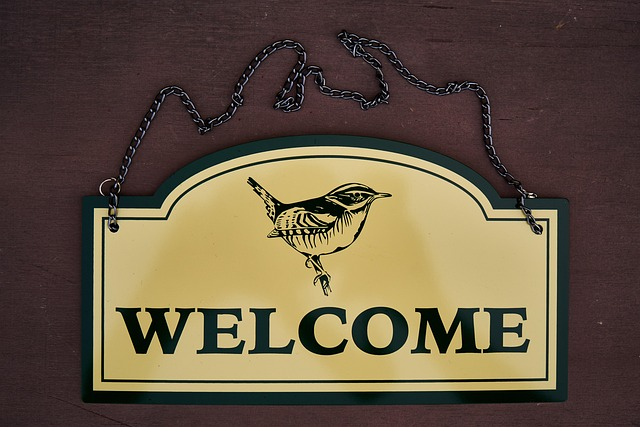
Signage occupies the intersection of print and life. It directs, markets, and soothes. It brings a brand into streets, halls, and sites, and it succeeds when it is straightforward, quick, and sincere to locate and employ.
We treat signage as two jobs done well at once: convey a message and enhance brand recognition. That means clear copy and strong cues that repeat who you are: logo, colors, tone, and shape. We begin with the objective in simple language—navigate to the exit, reserve a testing time, order off the new menu—and then construct the sign to accomplish that task in less than five seconds.
For roadside billboards, the window is even tighter: drivers have about six to eight seconds. In bustling hubs, wayfinding triumphs when it relieves anxiety. We’ve observed more distinct color coding on maps decrease lost occurrences by thirty-four percent, which preserves both minutes and goodwill.
Design lives or dies by legibility. We rely on Sans-Serif fonts because the crisp edges withstand distance and glare. We keep copy brief, emphasize a clean hierarchy, and leave room for the eye to rest. One useful rule of thumb is to make main text at least 1 inch tall for every 10 feet of viewing distance.
For a platform sign read at 30 meters, that is roughly 30 centimeters for the headline. We try to read it from target distances, by day and by night, and with non-designers. If it does not pass a three-second scan, we edit, again.
Context informs decisions. A hospital corridor, a metro platform, and an open-air market all demand different scale, contrast, and placement. We’re big believers in the power of signage. Matte finishes cut glare around glass.
For quick glances, like roadside ads, we employ one message, one picture, and a clear call to action, frequently with a short URL or QR code big enough to scan at two to three meters. In slow zones, such as lobbies, we’re capable of adding a second line or a small map key with no noise.
Materials and care determine longevity. Outdoors, weatherproof boards, anti-graffiti laminate, and UV-resistant inks prevent colors from fading and edges from curling. We spec fixings that will stand up to wind loads and heat.
Inside, rigid foam or recycled fiber panels appear neat and are easy to hang. We plan upkeep: wipe schedules, reprint cycles, and parts you can swap without new holes. It keeps the sign functional and the brand consistent.
Conclusion
To book-end it, clean signs begin with crisp print work, savvy stock selections and clean files. Tiny near misses still cost time and money. Sharp color checks and proof rounds save both. Great print shops share specs, hit dates, and own their craft. Request case work. Verify actual lead times. Check for edge finish and ink hold.
Tech doesn’t stop. Accelerate your life. Lasts in sun – UV inks. Latex cuts stink in stores. LEDs animate maps and menus. Install teams make or break the final step. Clean walls, correct fixings, dry runs on site – these cut risk.
Nice — you are ready to plot your next run! Tell us your objectives, site size (m) and deadline. Let’s print a sign that gets to work on day one.
Frequently Asked Questions
What makes signage effective from the start?
Robust design and the proper materials. A clear hierarchy, readable fonts, and high contrast aid visibility. Long-lasting substrates and UV-resistant inks are important. Designing for distance and illumination makes signage work in the real world.
What are common printing mistakes to avoid?
Low-res files, bad color management, wrong substrate. Skipping bleed and safe margins leads to cut problems. Skimming over finish options sacrifices durability. Always insist on hard proofs or calibrated digital proofs.
How do I choose the right printing partner?
Review their portfolio, certifications, and color management process. Query substrates, ink options, and finishing. Verify lead times, quality controls, and installation assistance. Read reviews and samples to verify quality.
Which materials work best for outdoor signage?
Weatherproof options such as aluminum composite, PVC, acrylic, and banner vinyl. Combine with UV inks and protective laminates. Select thickness and finish depending on the wind load, sun exposure, and lifespan you desire.
How does color accuracy work in signage printing?
Pantone match or ICC profiles! Color calibrated monitors and proofing minimize surprises. Give them vector artwork and transparent brand guidelines. Request a contract proof prior to complete production.
What trends define the future of signage printing?
Sustainable papers and substrates, water-based and UV-LED inks, and low energy consumption presses. Data-driven personalization and short runs. High-resolution, textured finishes and quicker turnaround with automation.
What should I know about installation and maintenance of signages?
Plan mounting hardware and site conditions early. Adhere to safety standards. Employ professional installers for large formats. Maintain with non-abrasive products and periodic service checks to increase longevity.


Comments